Built for teams that follow through

Organize work, then keep the follow-up moving.

Flowdesk gives teams one calm place to capture tasks, assign next steps, and see what needs attention before it slips.

Trusted by growing teams that want better follow-through without turning their workflow into a project of its own.
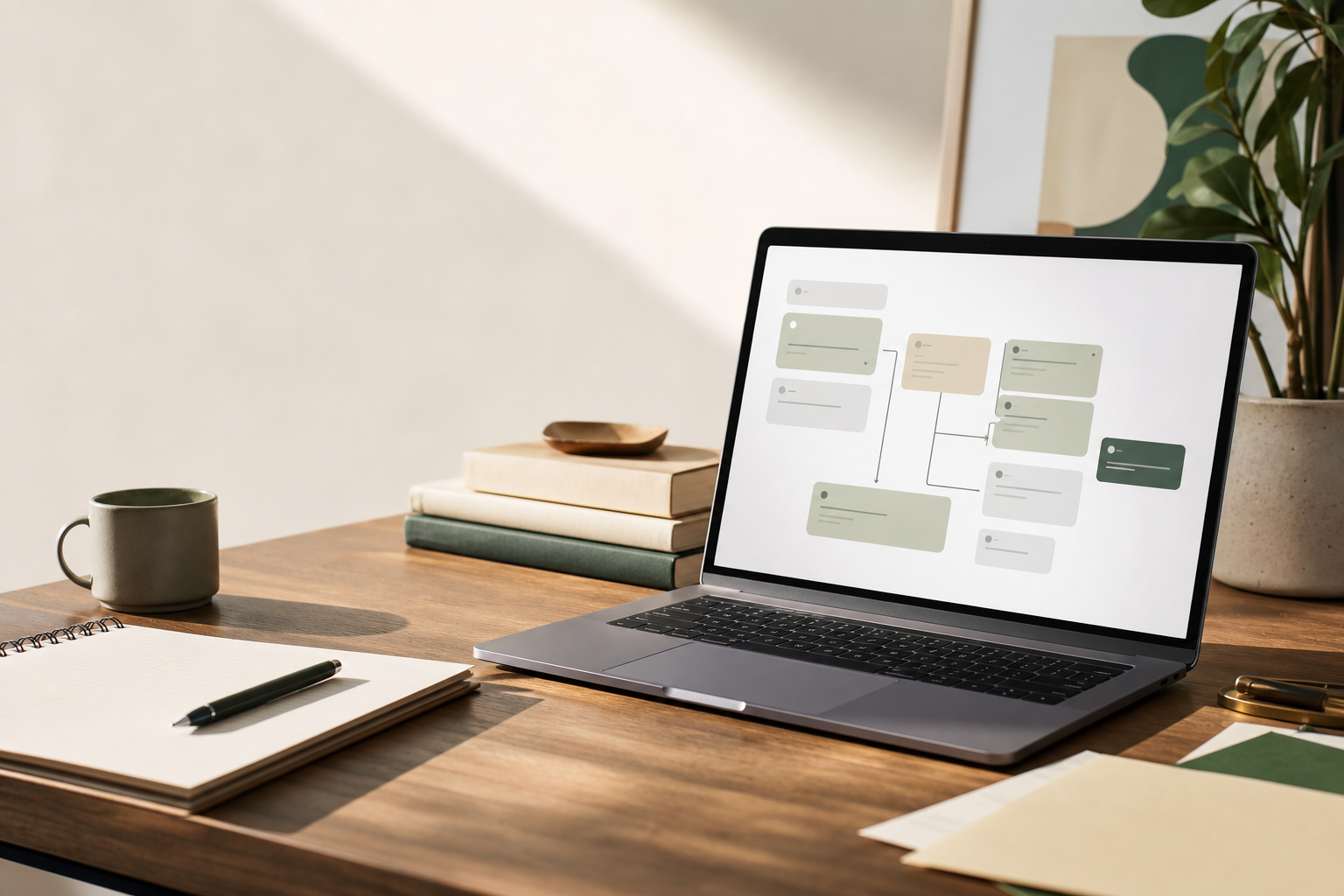
A bright desk scene representing organized work and follow-up planning

Open follow-ups

18

Tasks completed

42

Next actions

7

Trusted by teams moving real work

Northstar
Parcel
Signal House
Kite
Morrow

Features

Built to keep work visible, not noisy.

Flowdesk is designed for the work that tends to disappear between conversations: follow-ups, shared tasks, and the small next steps that keep a team moving.

Turn loose work into a visible follow-up queue
Capture tasks, next steps, and owners in one place so nothing gets lost between meetings, inboxes, and docs.
Keep every handoff attached to the right context
Link notes, reminders, and due dates to the task itself so the next action is clear without reopening the entire thread.
See what needs attention before it slips
Use simple priority states and follow-up timing to surface overdue work, stalled items, and the next best thing to do.

How it works

From intake to follow-through in three clear steps.

Capture the work, define the next action, and let Flowdesk keep the follow-up visible until it is complete.


Structured workspace materials representing Flowdesk workflow
1

Capture

Turn a message, note, or meeting outcome into a trackable item with owner and context attached.

2

Follow up

Set the next action and reminder so the work continues after the conversation ends.

3

Close the loop

See completed items, overdue work, and active follow-ups in one simple view.

A focused team lead reviewing work in a bright office

Testimonials

Teams use Flowdesk when they want follow-through to feel lighter.

Flowdesk gave our team one place to capture work, assign the next step, and keep moving without adding process overhead.

Ava Chen

Operations lead at a product studio

We stopped losing follow-ups in Slack because the next action now lives with the work itself.

Marcus Reed

Founder, small services team

FAQ

A few quick answers before you try it.

Start today

Make follow-up part of the workflow, not a second job.

Start with a workspace that keeps each next step visible, then grow the process only if your team actually needs it.